Managing Sitka Spruce
Dive into how Sitka spruce forests are managed through planting, thinning, and pest control strategies that help maintain healthy stands while balancing timber production and natural forest processes.
Pest and Disease Control Strategies
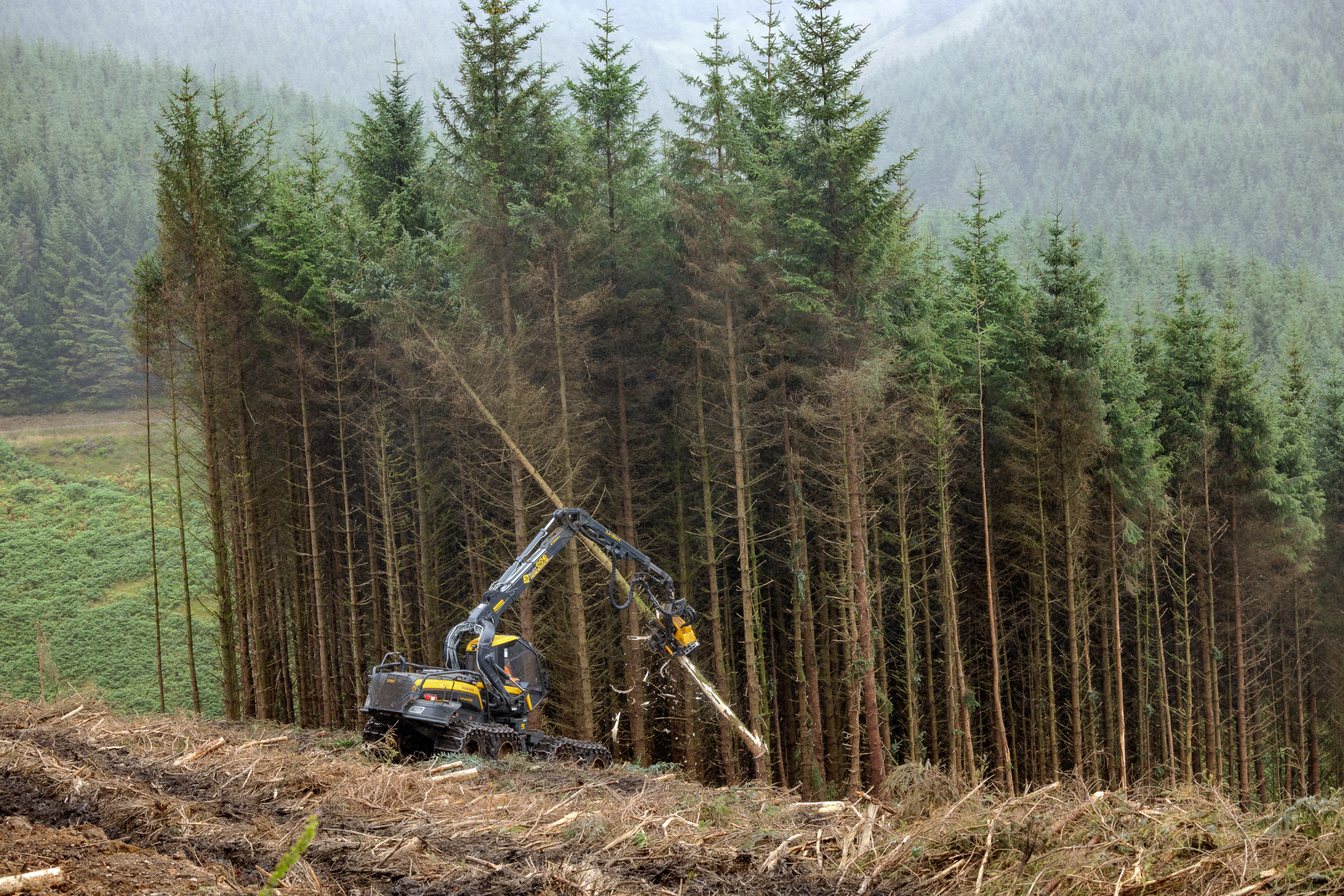
In plantations, the site class most susceptible to weevils is 5–30 feet in height and at low density. A number of ideas have been put forward to aid this problem.
One idea is to plant Sitka spruce at high density and reduce thinning until the trees reach the age of at least 25 years. This creates more shade and protection, and if the top gets damaged, another shoot can take over.
Another method is to grow Sitka spruce with red alder, which adds shade and makes it harder for weevils to attack, while also improving soil nitrogen.
Methods like these are used for a number of insect pests. Pruning infected tops of trees (leaders) to stop it from spreading is another method, though not a very good long-term one. Insecticides can also be used but are only effective during certain stages of growth. The best long-term goal seems to be using seedlings that are resistant to the disease or pest.
Forest Structure and Regenteration
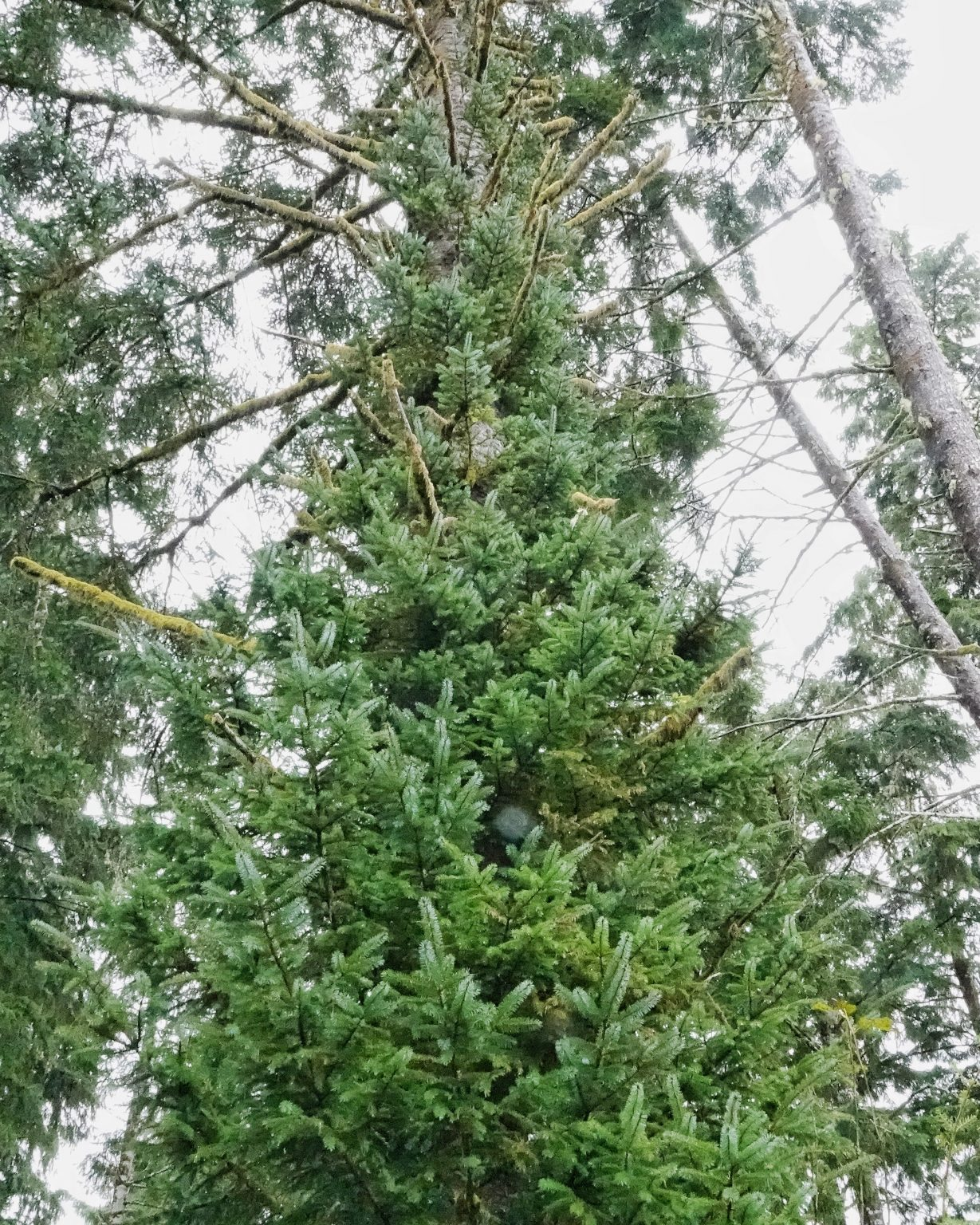
Sitka spruce is considered shade tolerant; it is more shade tolerant than Douglas firs but less shade tolerant than western hemlock. Because hemlock is more shade tolerant, it usually takes over in mixed stands over time. Sitka spruce still survives, however. This is partially due to windthrow (wind blowing trees over/down), creating more openings for Sitka spruce to regrow and regenerate.
So patchy thinning can be a good regenerative strategy in managing Sitka spruce stands, mimicking natural blowouts. This approach is often referred to as variable retention harvesting, where some trees are left to mimic natural forest structure and improve resilience.
Silviculture Practices and Forest Management
Sitka spruce can also regrow branches directly from its trunk (epicormic branches). This especially happens when they get more light, like along roads or after thinning has been done. However, too much thinning and epicormic growth can worsen wood quality, making it less economically valuable and increasing pest infestations such as weevils. It’s just about finding a balance.
High-density planting could help by creating more shade, reducing certain pest populations, and allowing the trees to grow straighter and higher-quality wood. The weaker trees could later be thinned. Mixed stands are also of value; for example, planting red alder with spruce improves soil because red alder is a good source of nitrogen and breaks up light conditions, possibly limiting certain pest infestations.
Using resistant stock/seedlings is another good long-term method. Controlling competition, such as hemlock, also gives Sitka spruce more of a chance. Careful thinning is also important: creating small gaps for enough light to regenerate, but not so much that wood quality decreases or pest problems increase.
Create Your Own Website With Webador