Habitat of Sitka Spruce
Explore the unique habitat where Sitka spruce thrives, from cool coastal climates to nutrient-rich soils. Discover how this tree fits into complex forest communities and supports a wide range of plant and animal life in coastal temperate rainforests.
Climate Conditions
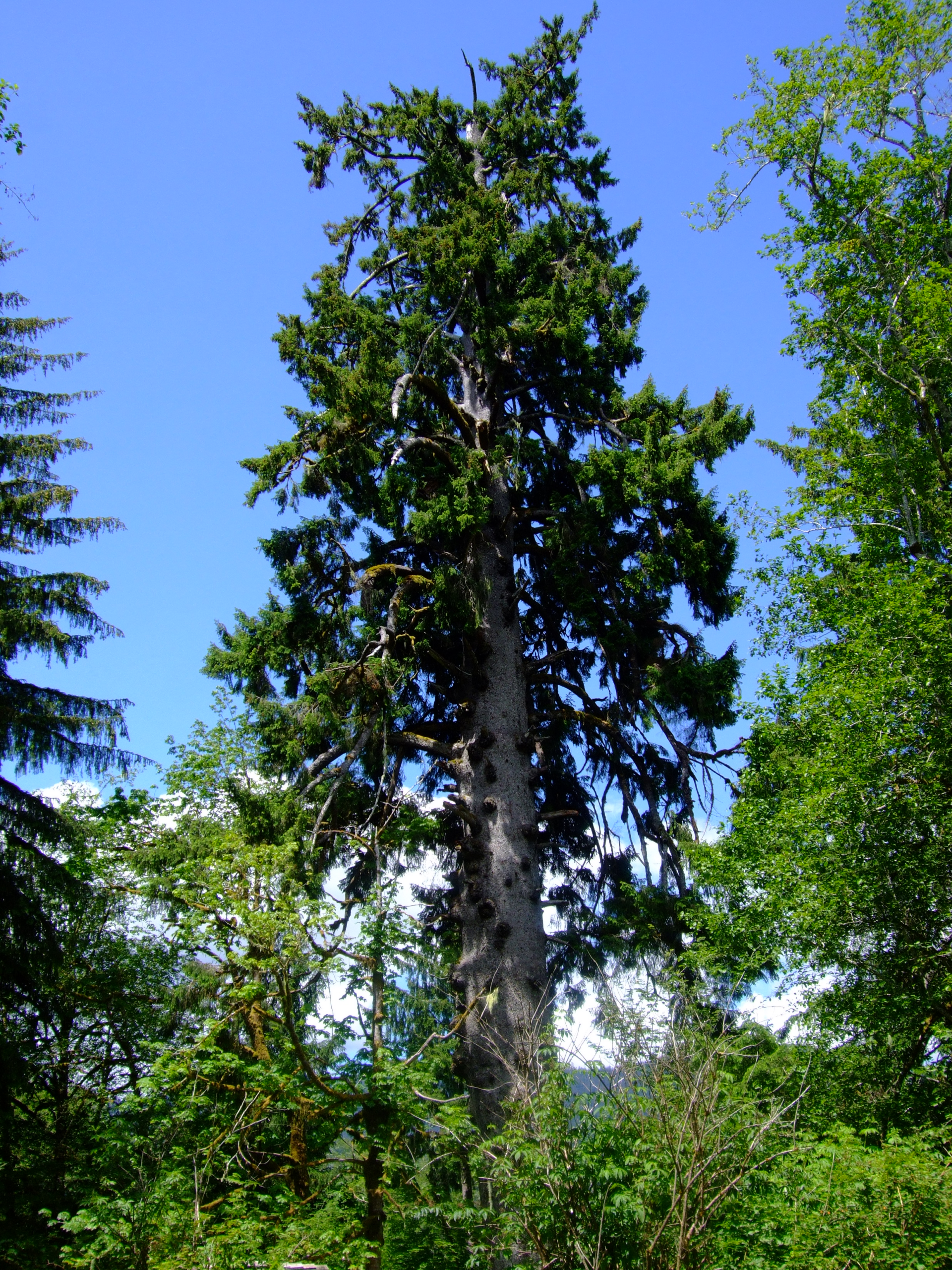
Sitka Spruce grow and thrive in a maritime climate, where there is plenty of moisture all year round and where temperature extremes are rare compared to more inland areas. In these coastal regions, the summers are cool and the winters are mild.
Soils and Growing Conditions
They can grow in a variety of soils, though they favor deep, moist, and well drained soils that are rich in nutrients, especially in calcium and magnesium, which are especially essential for Sitka Spruce growth. These elements are often found in larger quantities within brackish water or ocean spray, explaining their tolerance to salty coastal environments.
Sitka Spruce are sensitive to poor drainage and do not grow well in swampy areas. Typically, they grow in acidic soils (4.0–5.7 pH) with more organic matter, often found in sandy areas or river floodplains.
Forest Community and Ecology
The most common tree species associated with Sitka Spruce are western hemlock. Other associated trees include Douglas fir, western red cedar, red alder, and Alaska-cedar. Sitka Spruce often grow in mixed forests, not pure stands.
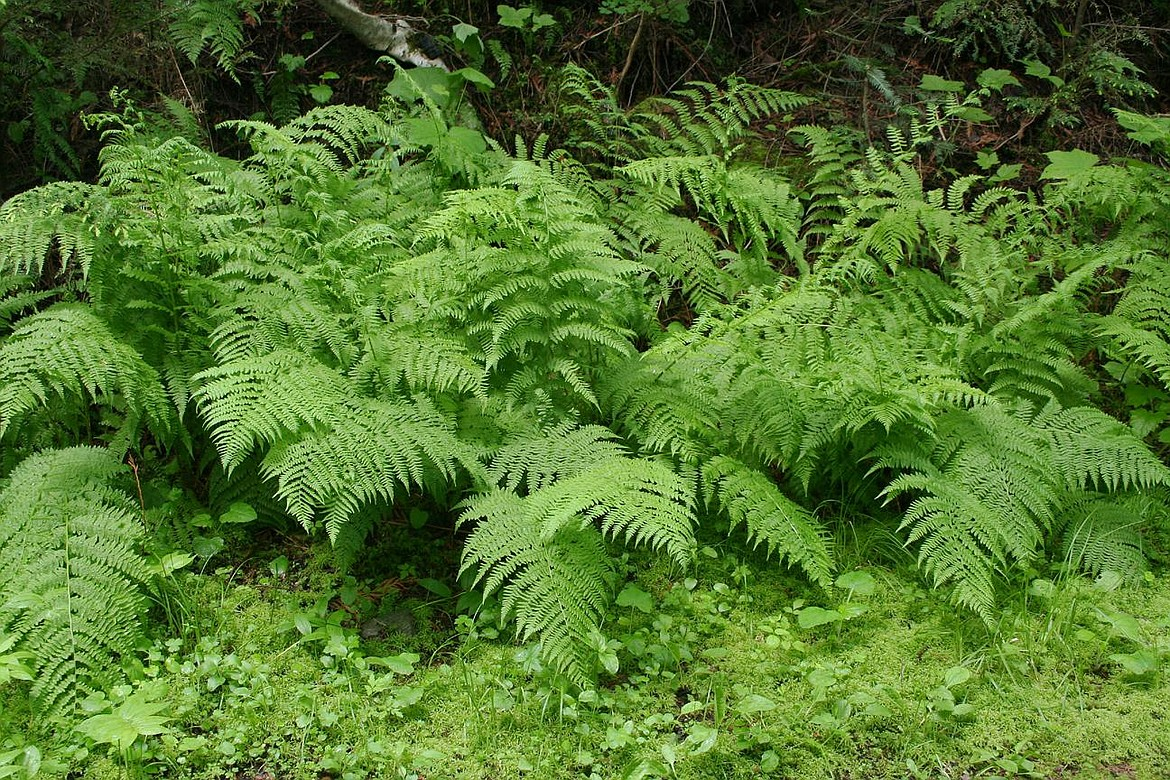
Common understory plant species include ferns, shrubs, mosses, huckleberries and salmonberries. In dryer areas, salal is a common understory plant, and in wetter areas, devil’s club is common.
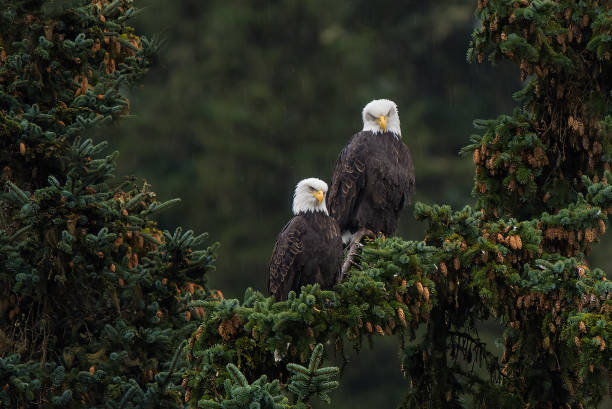
Sitka Spruce have very important ecological roles. They provide habitat and/or food for wildlife such as bald eagles, peregrine falcons, Sitka deer, Alaskan brown bears, Roosevelt elks, and smaller animals such as rabbits, porcupines, squirrels, bats and smaller birds. They are also a very important part of coastal temperate rainforests, contributing to the density and moisture of these Pacific coast forests and supporting a wide range of biodiversity.
They also help stabilize soils and reduce erosion in coastal and river systems, which is especially important in high rainfall environments where landslides and flooding are common.
Create Your Own Website With Webador