Climate Change Impacts on Sitka Spruce
Learn how Sitka spruce is being impacted by warming temperatures, sea level rise, and increasing pest outbreaks.
Temperature and Moisture Stress
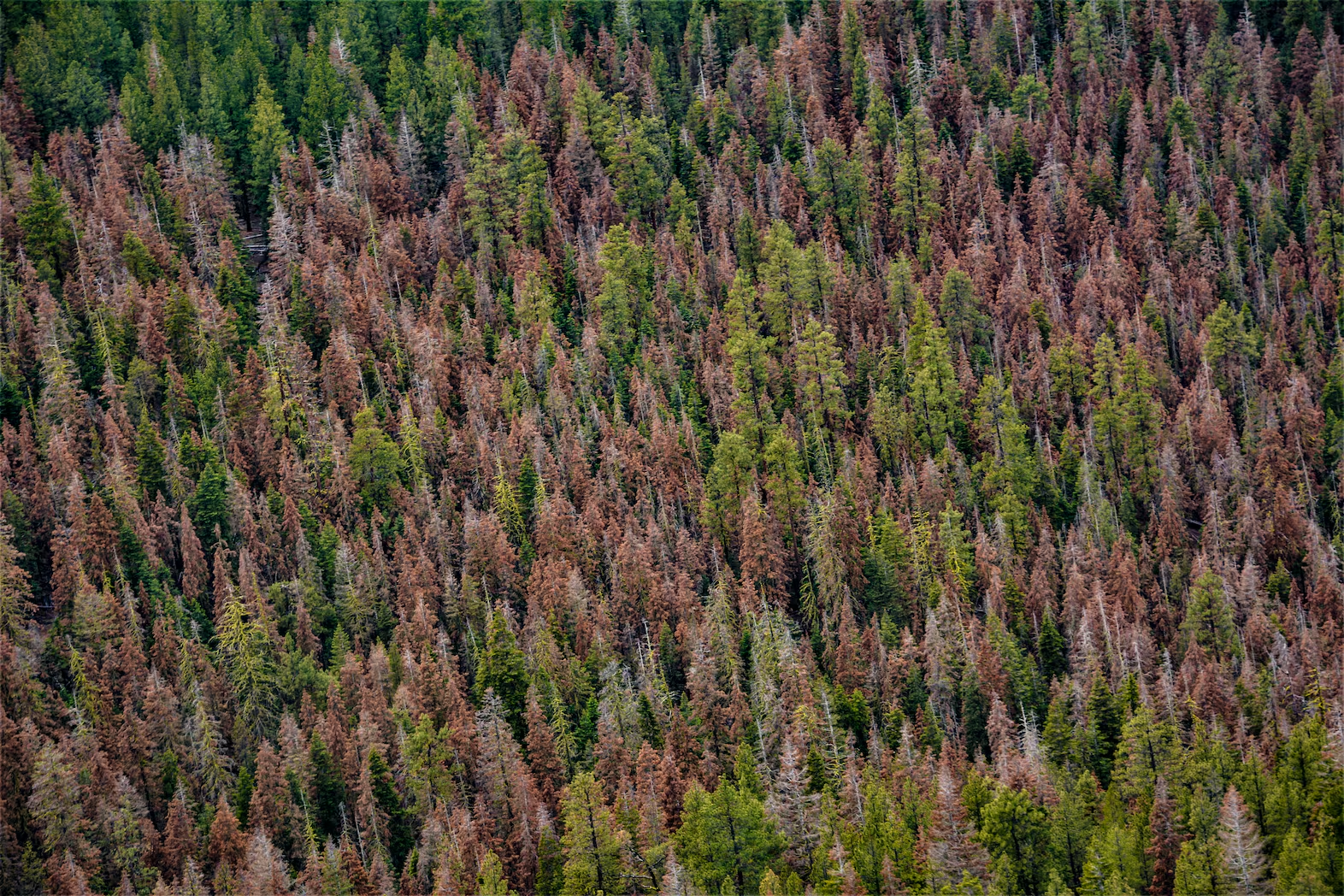
Climate change has many negative impacts on Sitka spruce. The rising temperatures put stress on the trees, slowing their growth and limiting moisture availability. These trees rely heavily on fog and humidity, so the increased dryness caused by global warming puts additional stress on them and reduces overall health and growth.
Sea Level Rise and Saltwater Stress
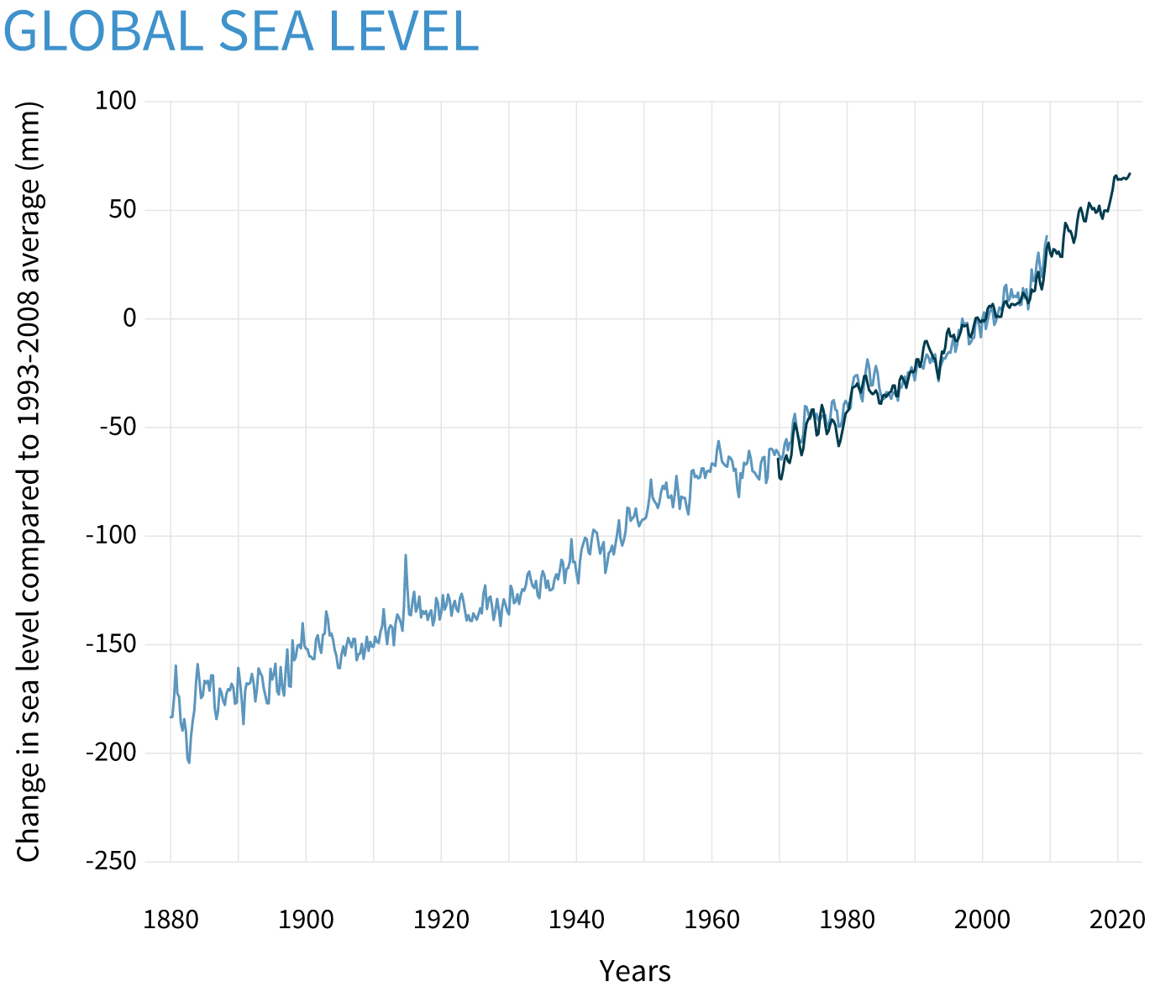
Climate change also causes sea levels to rise due to the melting of glaciers, allowing seawater to enter coastal soils. This saltwater can kill the trees in extreme cases because it disrupts how the tree transports water. The salt can also cause dehydration by pulling water out of the roots, making it difficult for Sitka spruce to survive in affected coastal areas.
Pests and Forest Interaction
Climate change also causes extreme warming events, such as heat waves. This can weaken trees and scorch their foliage, making them even more susceptible to pests.
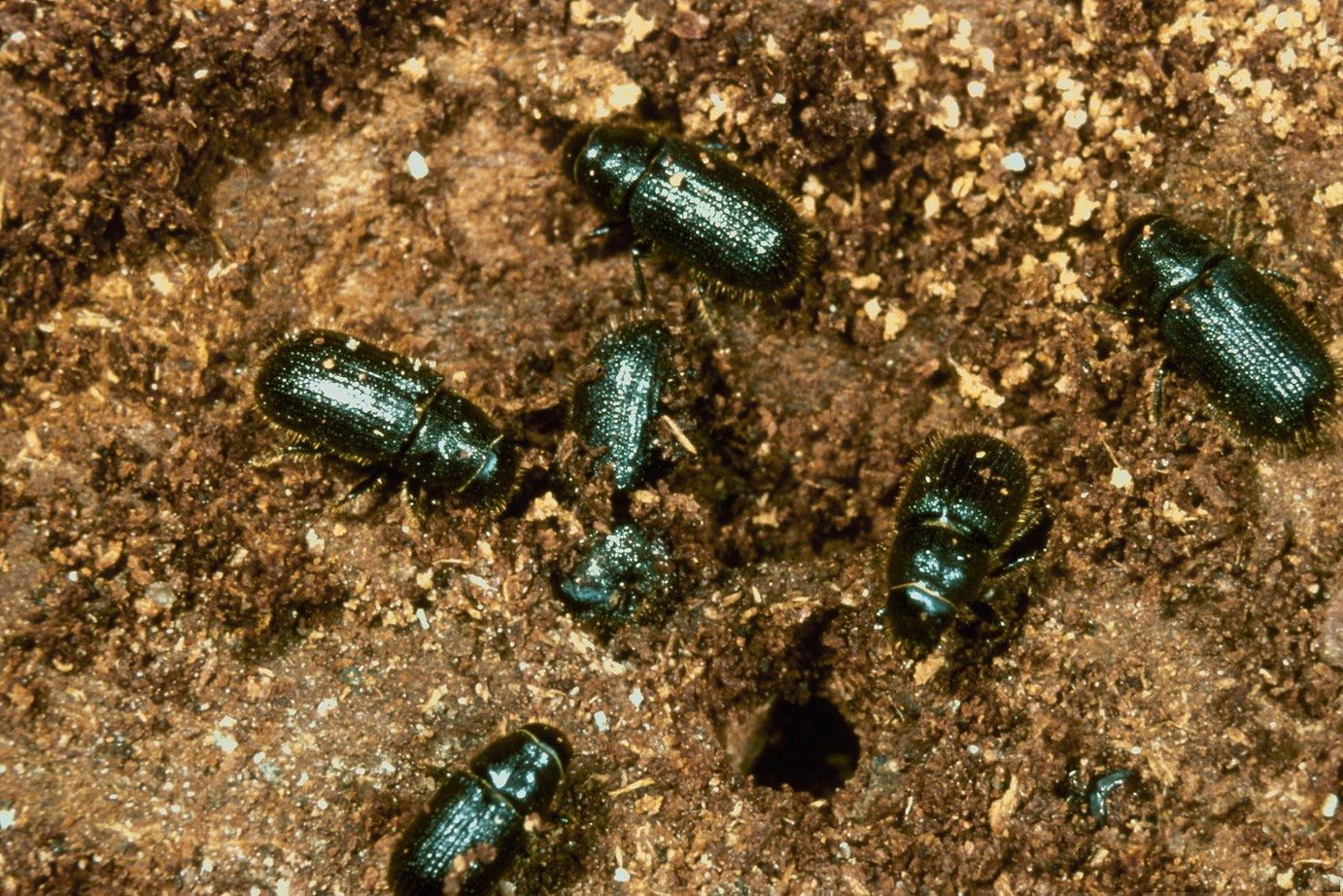
Global warming helps spruce beetles survive winters and speeds up their reproduction. At the same time, trees experience stress from drought and heat, which weakens their natural defenses such as resin production that normally protects them from pests. This makes Sitka spruce much easier targets for beetles and increases damage and mortality rates. This combined impact is especially prominent in Alaska, where beetle outbreaks are becoming more severe.
Create Your Own Website With Webador