Insects, Pests and Diseases of Sitka Spruce
Take a look at the insects, diseases, and other natural threats that impact Sitka spruce. Learn how pests like weevils, beetles, and aphids, along with decay fungi, can shape the health and structure of coastal forests.
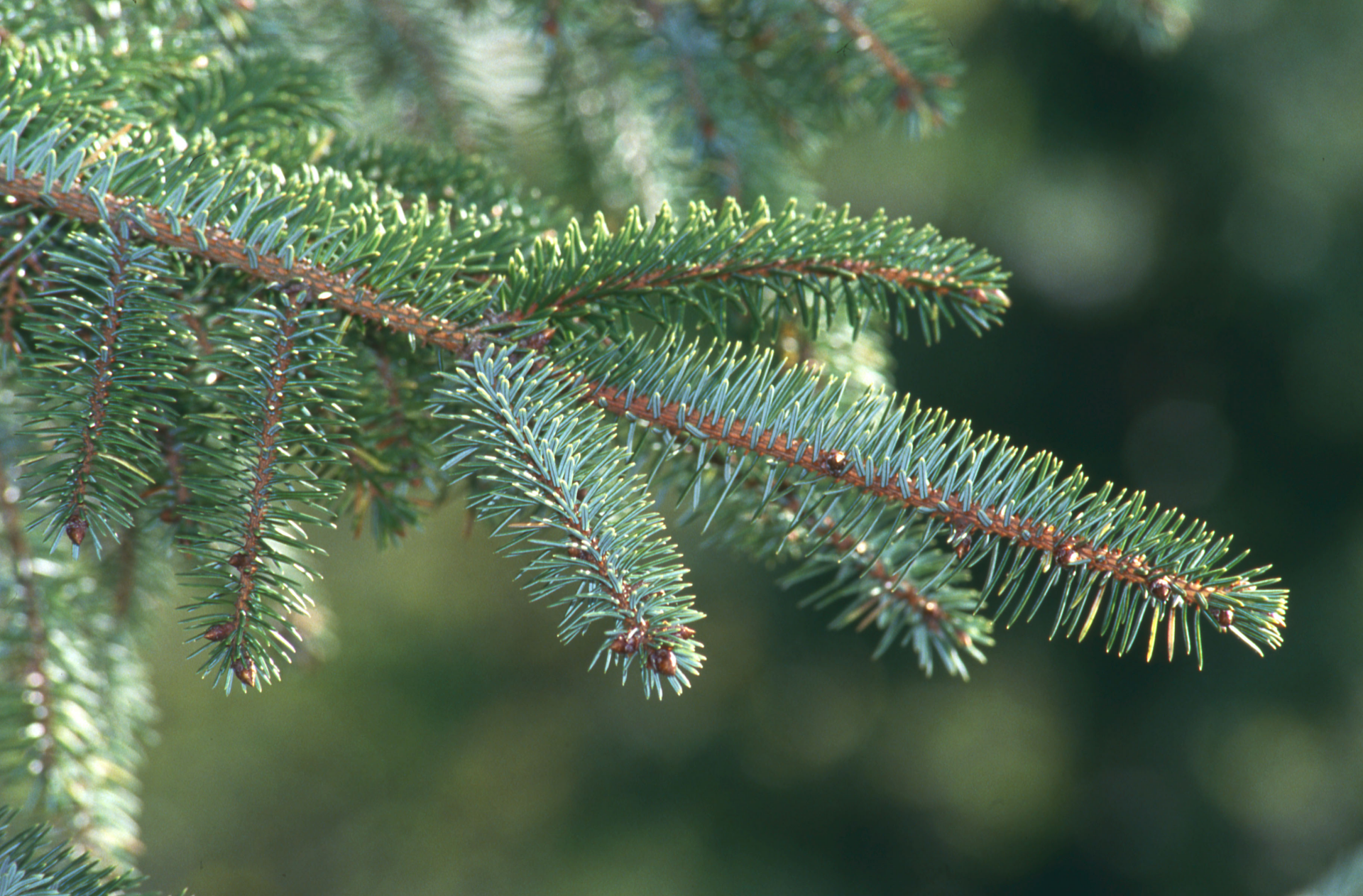
General Vulnerability
Although the most serious problem for Sitka spruce is usually blowdown (windthrow), Sitka Spruce are also very susceptible to pests and diseases. Problems tend to be more severe farther south, where warmer conditions allow insects and pathogens to survive and reproduce more easily.
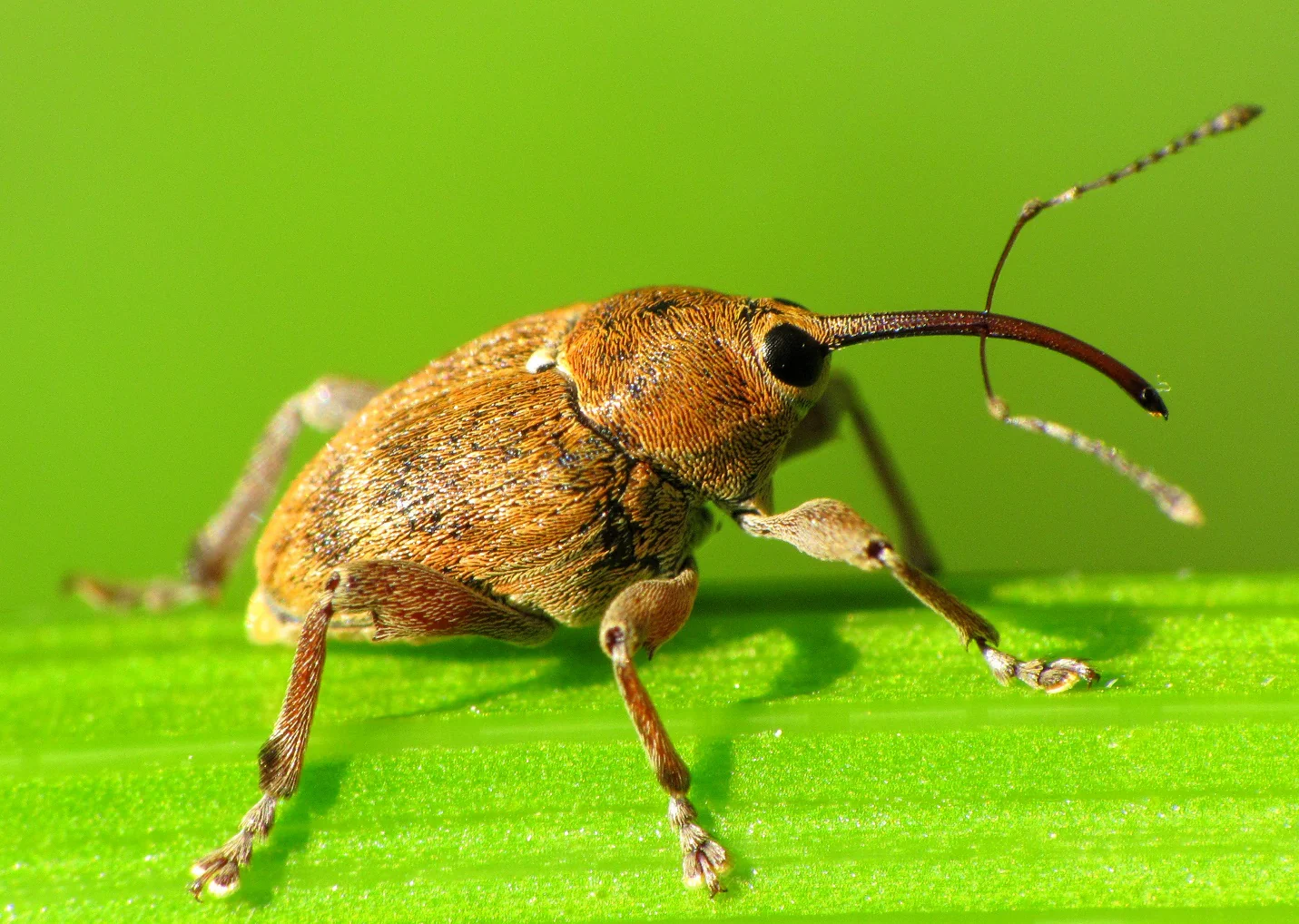
Major Insect Pests
In Washington, Oregon and southern British Columbia, white pine weevil is the most serious insect pest. Trees closest to the coast are affected by this pest much less than inland trees.
Weevils tend to attack the leader of the tree first. They will usually survive this pest, but repeated attacks will slow growth, cause deformation, or excessive bushiness as the tree attempts to replace the killed areas with lateral shoots (branches/twigs that grow outwards from the trunk).
Spruce beetles are another damaging agent for Sitka spruce throughout the entire range, though more serious in British Columbia. They feed on the bark of the tree, boring holes into the core and laying eggs.
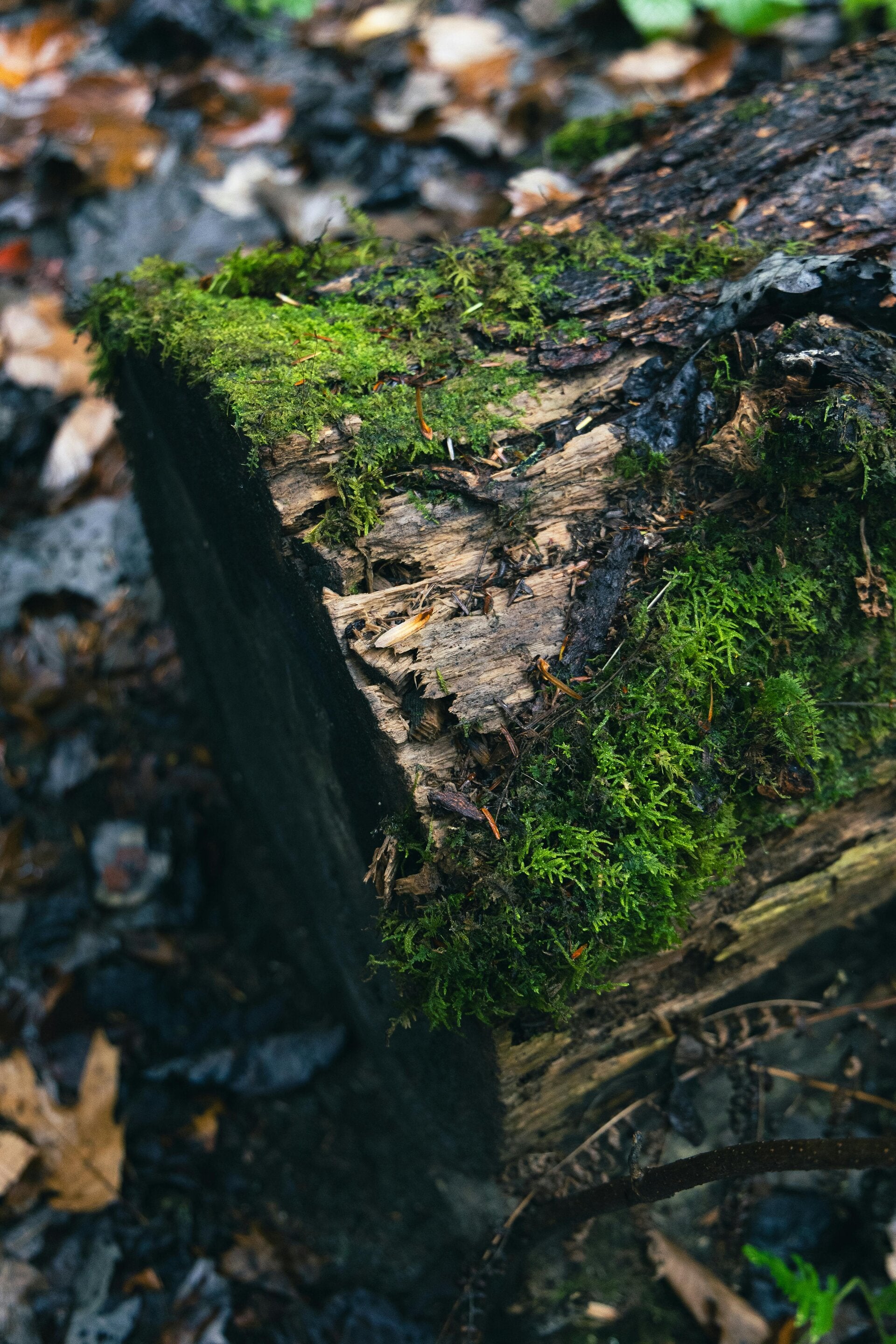
Diseases and Decay
Sitka Spruce is very susceptible to decay once damaged. Many organisms that cause this decay, such as Armillaria, can also cause root rot, leading to additional damage. Once infection begins, it often spreads through the root system and can weaken the structural stability of the tree.
Wildlife Damage
Many of the animals that Sitka Spruce trees support also can cause damage to the trees such as elk, bears, rabbits, etc. Most of this damage is more prominent in the south, like deer, though porcupines are a more serious problem in the north.
Create Your Own Website With Webador