The Life History of Sitka spruce
Discover the fascinating life cycle of the Sitka spruce, a remarkable tree that defines coastal ecosystems. From tiny seed to towering giant, explore the resilience and ecological significance of this magnificent species with the Sitka Spruce Guide.
General Characteristics
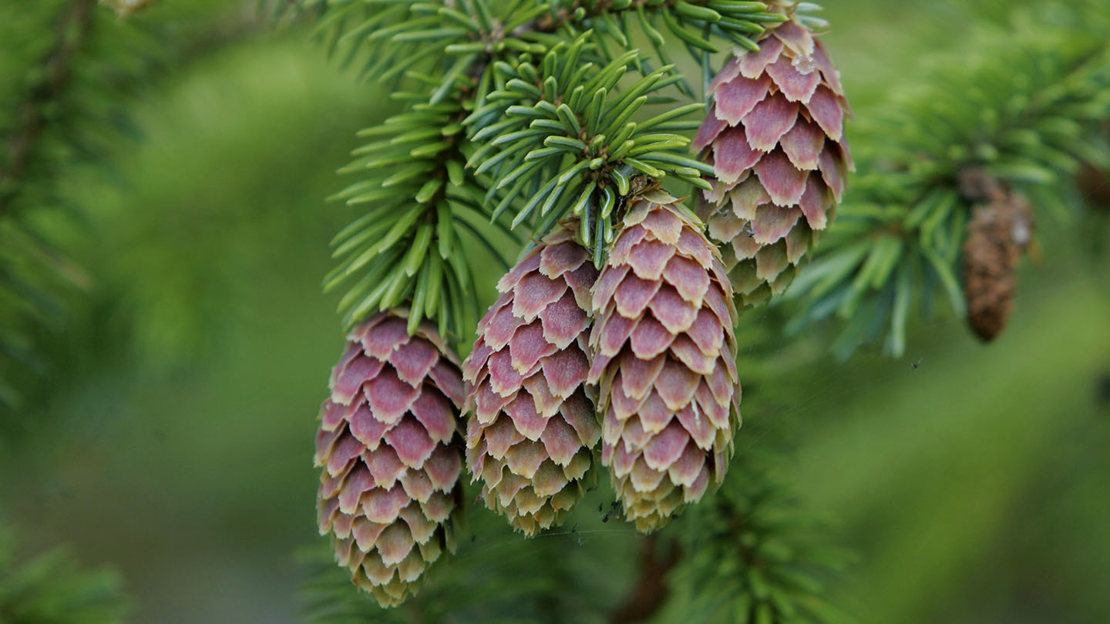
Sitka Spruce (Picea sitchensis) is the largest of all spruce trees. They are also some of the world's fastest growing trees and can obtain a height greater than 210 feet. They typically grow much taller than they are wide, with their diameter at breast height being only a small fraction of their total height (i.e: 100 ft Sitka Spruce may have a DBH of 1.5-3 ft).
They are evergreen and monoecious (has both female and male cones on the same tree) and can live over 800 years, making it one of the longest-lived coastal conifers.
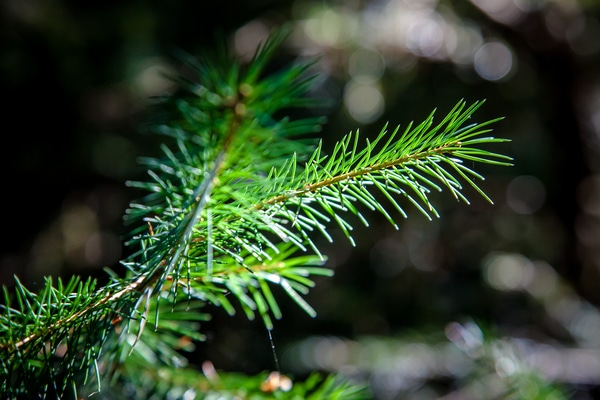
They have 4-sided 1-inch-long needles that are very sharp and spirally arranged. The cones are oblong and usually 1 ½ – 3 ½ inches long.
Sitka Spruce bark is flaky and thin. It is susceptible to breakage and breaks off in circular scales. It is typically a gray color while the sapwood beneath the bark is reddish brown. Young trees tend to have much smoother bark than older ones.
Reproduction and Growth
Sitka spruce reach sexual maturity at 20–40 years old and can produce both sexually and asexually.
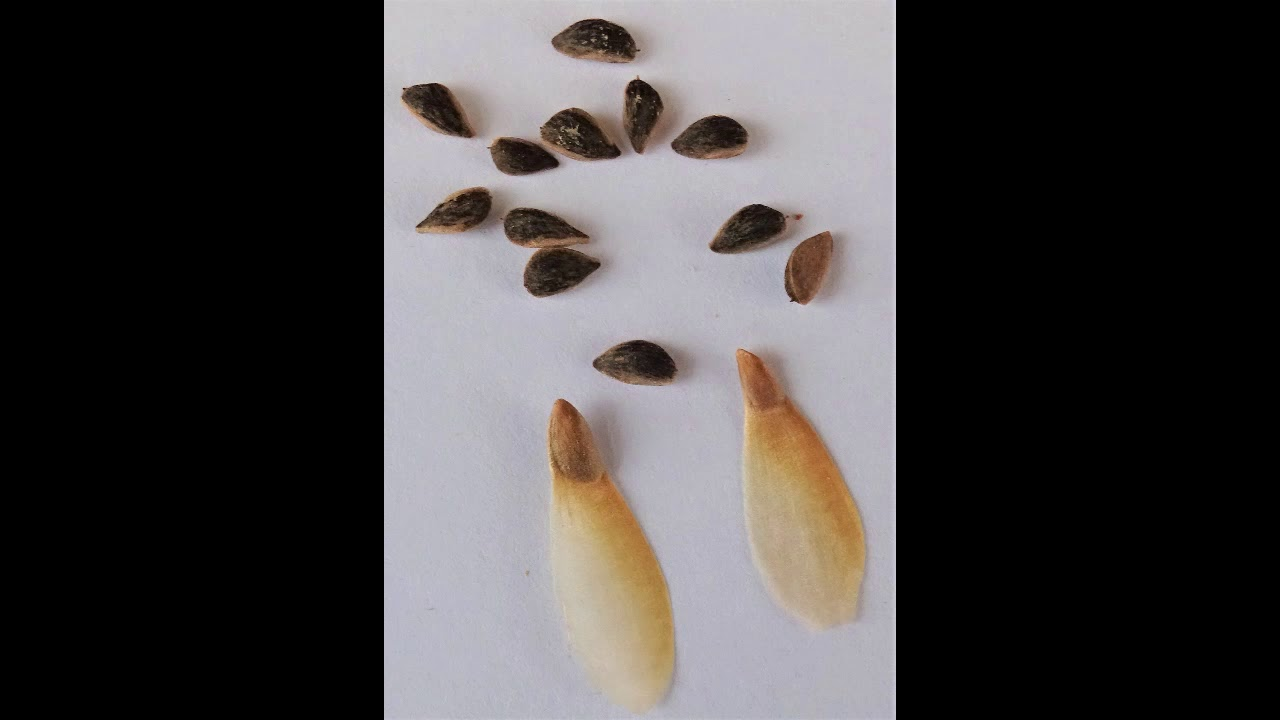
The female cones develop near the top of the tree, while the male cones produce pollen and develop lower down. Pollination is typically wind-driven, occurring in late April in the south and early June in the north. The seeds are very small, most of which are released in the fall to then be dispersed by wind.
The seeds are lightweight and winged, which helps them travel long distances. Sitka spruce can germinate on many different surfaces, though survival is dependent on conditions. The best growth occurs on moist, well-drained mineral soils or decaying wood.
Sitka spruce often grows on “nurse logs,” where fallen trees provide nutrients and a stable surface for new seedlings to grow.
Ecological Role and Succession
Sitka spruce often colonize disturbed areas such as floodplains, glacially exposed lands, and coastal dunes. Growth is typically slow at first and then becomes rapid after establishment. In lower elevations and southern parts of its range, growth is faster. It competes closely with western hemlock, an associated species, but often grows faster in diameter.
Often considered a pioneer species, Sitka spruce can quickly colonize open areas. Over time, stands often become mixed or partially replaced with more shade-tolerant species such as western hemlock. However, its long lifespan and tolerance to disturbance allow it to remain in mature forests. Sitka spruce can also persist into late-successional forests because it tolerates windthrow gaps and other natural disturbances well.
Create Your Own Website With Webador